Syria News & Insights
Syria's New Customs Law: Key Changes and the Fine-Waiver Deadline
Presidential Decree No. 109 of 2026 replaced Syria's 2006 customs and customs-police laws with a 264-article General Customs Law, Decree No. 110 brought a harmonised customs tariff into force on 1 June 2026, and Decree No. 117 waives fines on pre-December 2024 customs violations settled within six months, a window that closes in mid-November 2026.
Read More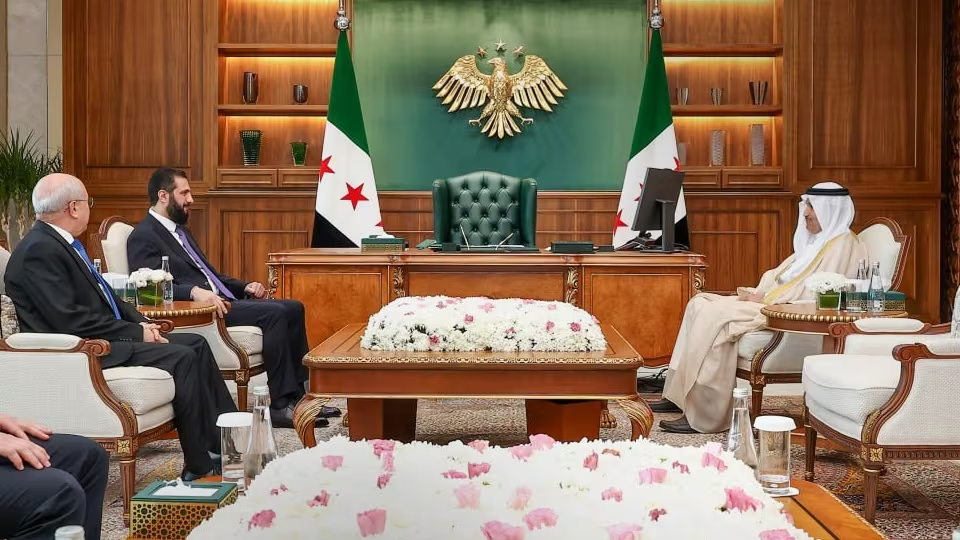
Saudi Arabia and Syria Form Joint Bank to Channel Investment into Reconstruction
A new joint Saudi–Syrian bank will ease money transfers between the two countries and fund tourism and property development, announced alongside road, rail and aviation agreements as Gulf capital accelerates its return to Syria.
Read More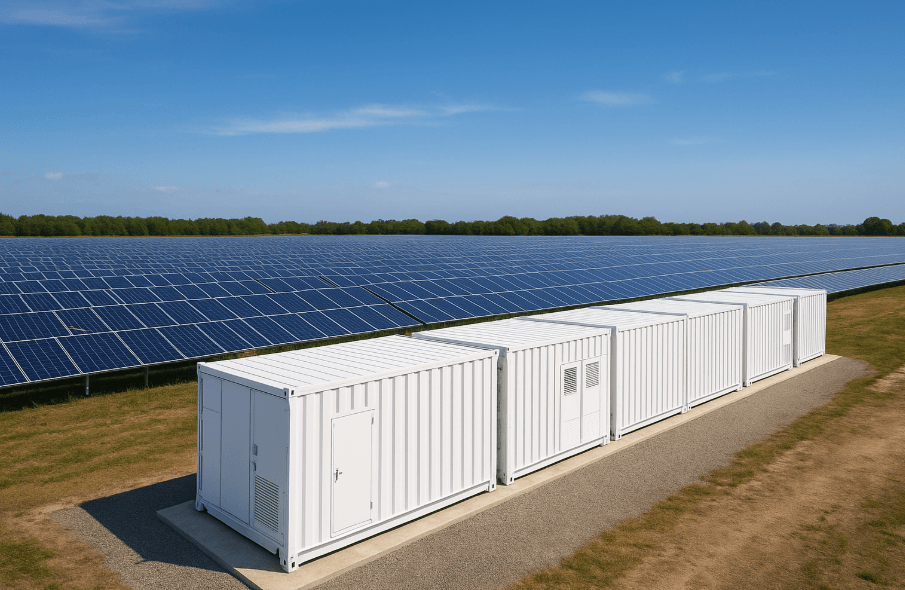
Saudi Firm Signs Nearly $1 Billion Solar and Battery Storage Deals with Syrian Electricity Company
Saudi Arabia's Mohammed Ahmed Al-Harfi Co. signed three power purchase agreements with Syria's state electricity company in Damascus on 5 August 2026 for 760 MW of solar generation paired with 1,077 MWh of battery storage. The deal, valued at nearly $1 billion, is among the largest Saudi private-sector investments in Syria's energy sector since 2024.
Read More
US Moves to Rescind Syria's State Sponsor of Terrorism Designation
On 8 July 2026, US Secretary of State Marco Rubio notified Congress of the decision to rescind Syria's decades-long designation as a state sponsor of terrorism, opening a 45-day congressional review period before it takes effect. The move is expected to remove one of the last major barriers to reconnecting Syria with the international banking system and unlocking direct trade with foreign partners. It builds on a year of broader sanctions relief that has already begun reshaping the environment for investors and companies operating in Syria.
Read More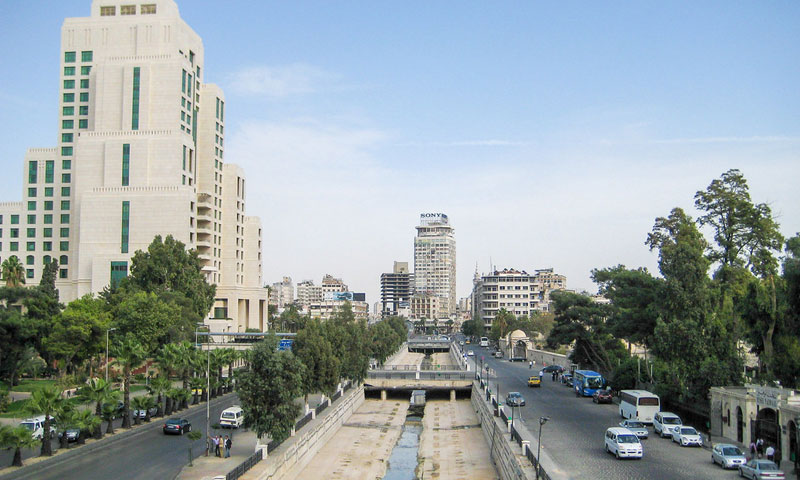
Syria Registers Over 1,800 New Companies in 2026 as Investment Climate Improves
Syria's Ministry of Economy and Industry reported the registration of 1,846 new companies in the first months of 2026, reflecting measurable improvement in the country's business environment. The breakdown includes 1,349 limited liability companies, 432 general partnerships, and other entity types. Authorities attribute the growth to streamlined procedures and rehabilitated corporate services, with an electronic incorporation platform for remote registration under development.
Read More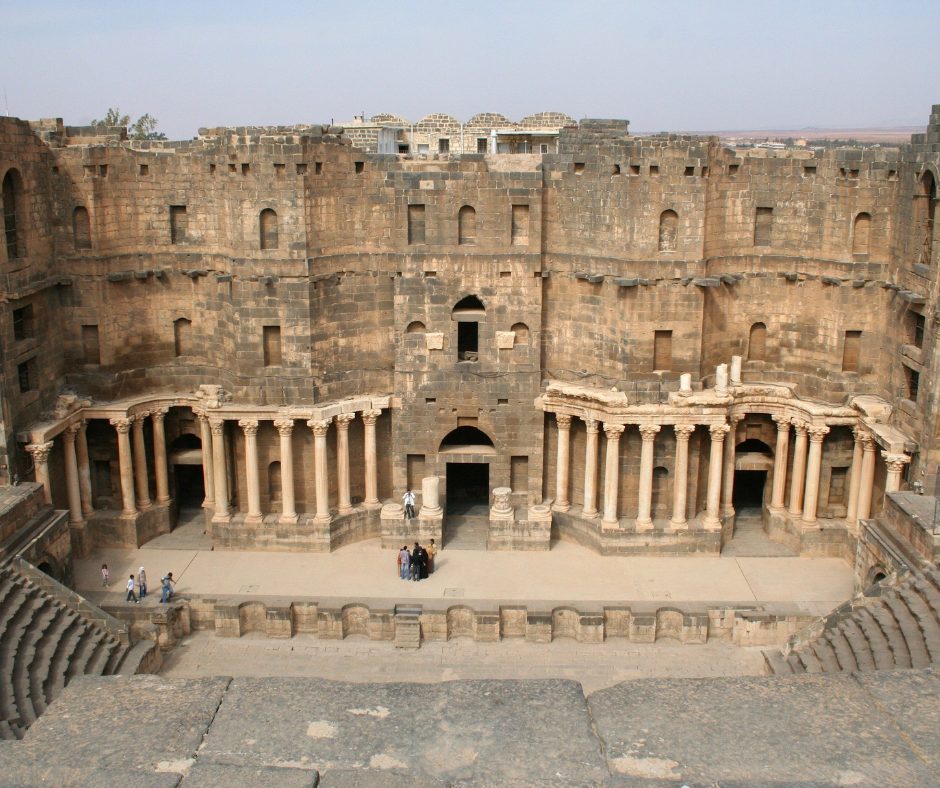
Syria Processes First Visa and Mastercard Transactions After 15-Year Isolation
Syria completed its first Visa and Mastercard payment transactions on 9 May 2026, marking a significant milestone in the country's reconnection with the international financial system. The Central Bank of Syria authorised domestic banks to integrate with global payment networks as part of a broader financial reform programme.
Read More
IMF Reports Signs of Economic Recovery; GDP Growth Projected Near 10%
In February 2026, the IMF concluded a staff visit to Syria and reported signs of economic recovery with a financial reform program underway. Syria's GDP is projected to grow by nearly 10% in 2026, attributed to the easing of sanctions, improved security conditions, and the return of skilled professionals.
Read More
Syria Passes Landmark Investment Law 114 — 100% Foreign Ownership Allowed
Syria enacted Investment Law 114, allowing foreign investors to own 100% of projects and fully repatriate profits. Medical and agricultural sectors receive complete tax waivers, while manufacturers exporting 50%+ of products can receive up to 80% tax relief. The law also enables international arbitration in disputes.
Read More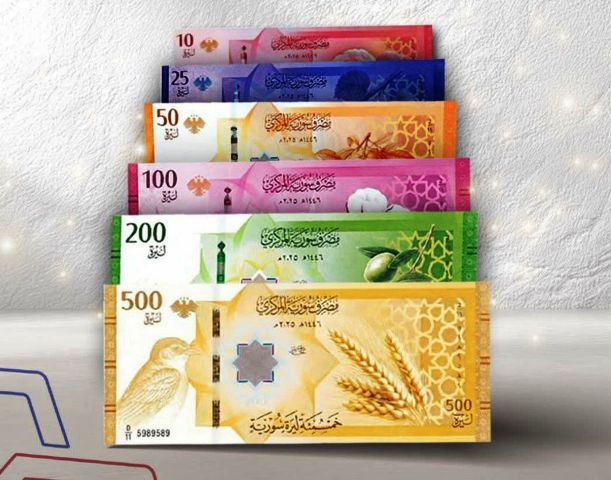
Syria Launches New Currency with Two-Zero Redenomination
Syria's Central Bank launched a major currency reform, removing two zeros from the Syrian pound (100 old = 1 new). The exchange process began January 1, 2026, running for 90 days at over 1,000 designated outlets. By late February 2026, a third of all cash had already been replaced as part of broader monetary stabilization.
Read More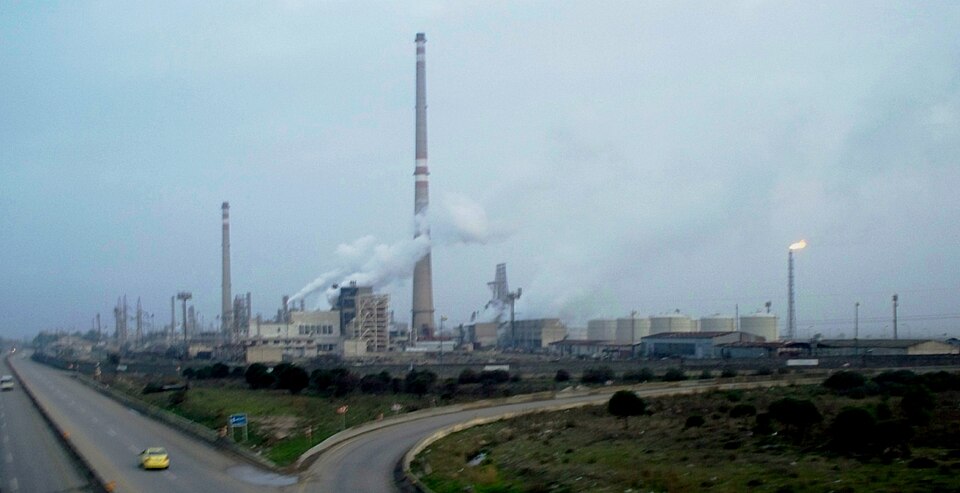
Syria Resumes Oil Exports for the First Time in 14 Years
On September 1, 2025, Syria dispatched 600,000 barrels of heavy crude from the port of Tartous, marking the country's first crude oil export since international sanctions were imposed. Production recovery is expected through 2026 driven by facility repairs and field workovers.
Read More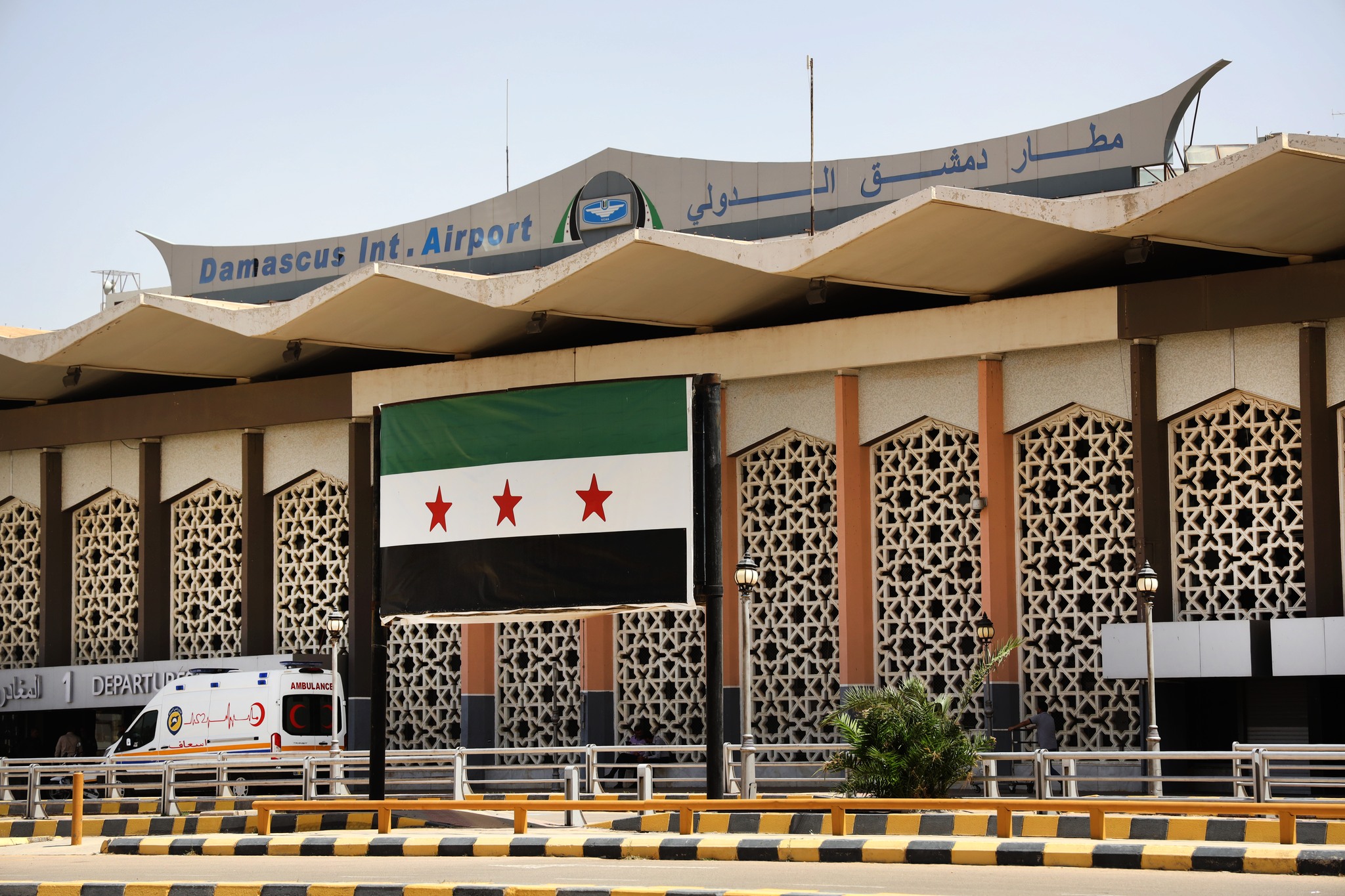
Syria Signs $14 Billion Infrastructure Deals Including Damascus Airport Rebuild
Syria signed 12 major strategic investment deals valued at $14 billion covering infrastructure, transportation, and real estate. Highlights include a $4 billion Damascus Airport modernization project awarded to a Qatar-led consortium, $6.4 billion in Saudi deals, and a $2 billion UAE-backed Damascus metro project.
Read More
US, EU, and UK Lift Economic Sanctions on Syria
In a historic shift, the EU formally lifted most economic sanctions by May 2025. On June 30, 2025, President Trump signed an executive order terminating the US Syria Sanctions Program, enabling financial services and transactions with the new Syrian government. The UK also removed most sectoral sanctions.
Read More
$28 Billion in Foreign Investment Pledged Within Six Months
Within six months of the fall of the Assad regime, Syria secured $28 billion in investment pledges, primarily in infrastructure, energy, and real estate. The US, Turkey, Qatar, Saudi Arabia, and the UAE were among the largest investors. Syria aims to rebuild through investment, not aid.
Read More
World Bank Approves $146 Million Electricity Emergency Grant for Syria
The World Bank approved a US$146 million grant for the Syria Electricity Emergency Project — the first World Bank project in Syria in nearly four decades. The grant will rehabilitate high-voltage transmission lines and transformer substations, improving daily power availability from 2-4 hours to 13 hours.
Read More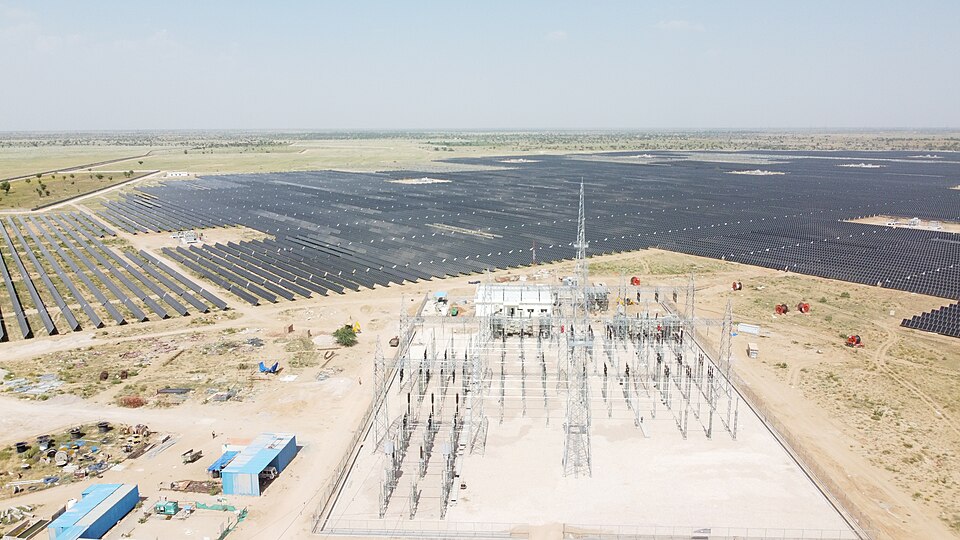
$7 Billion Energy Deal to Meet Half of Syria's Electricity Demand
A landmark $7 billion power generation deal was signed with Qatar's UCC Holding, US-based Power International, and Turkish partners. The deal covers four combined-cycle gas power plants totaling 4,000 MW and a 1,000 MW solar energy project, expected to meet over half of Syria's electricity demands.
Read More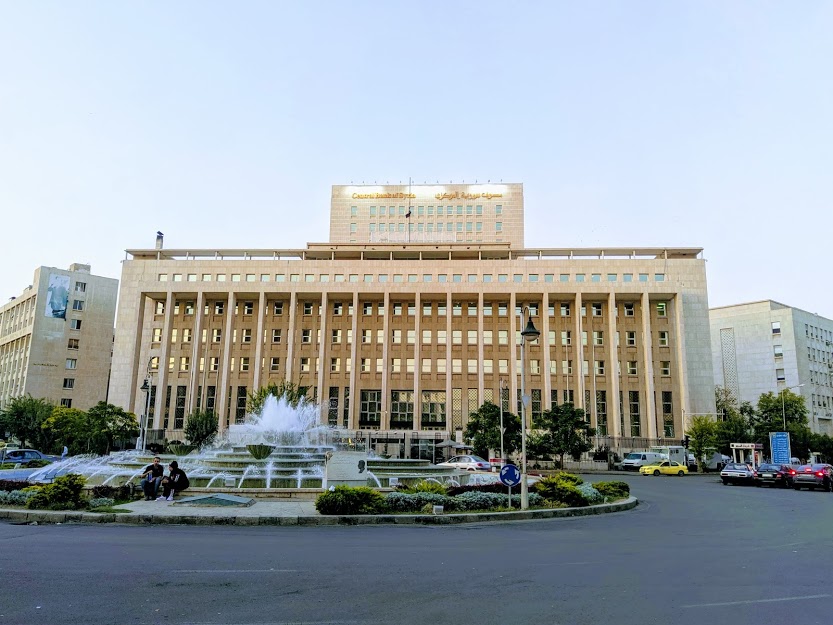
Central Bank Reforms and Federal Reserve Account Opening
New Central Bank Governor launched a five-year reform strategy focused on monetary stability and modernizing financial oversight. In October 2025, the Central Bank opened a financial channel with the US Federal Reserve Bank of New York — a transformative step toward rebuilding Syria's sovereign credit profile.
Read More
Company Registrations Resume in Syria with Import-Export Boom
Company registrations resumed in February 2025, with 50 new companies formed that month and 47 more by late March. Roughly 80% of new registrations are trading and import-export enterprises. An LLC in Syria requires minimum capital of ~$5,000 USD, with foreign nationals permitted to hold up to 100% ownership.
Read More
Syria Visa Policy Overhaul: Visa-on-Arrival for Most Nationalities
Under the new government, Syria now offers visa-on-arrival at all border crossings and airports, eliminating the previous requirement for security clearance through tour operators. Visa fees must be paid in cash in US dollars. Citizens of Jordan, Malaysia, and Mauritania enter visa-free.
Read More